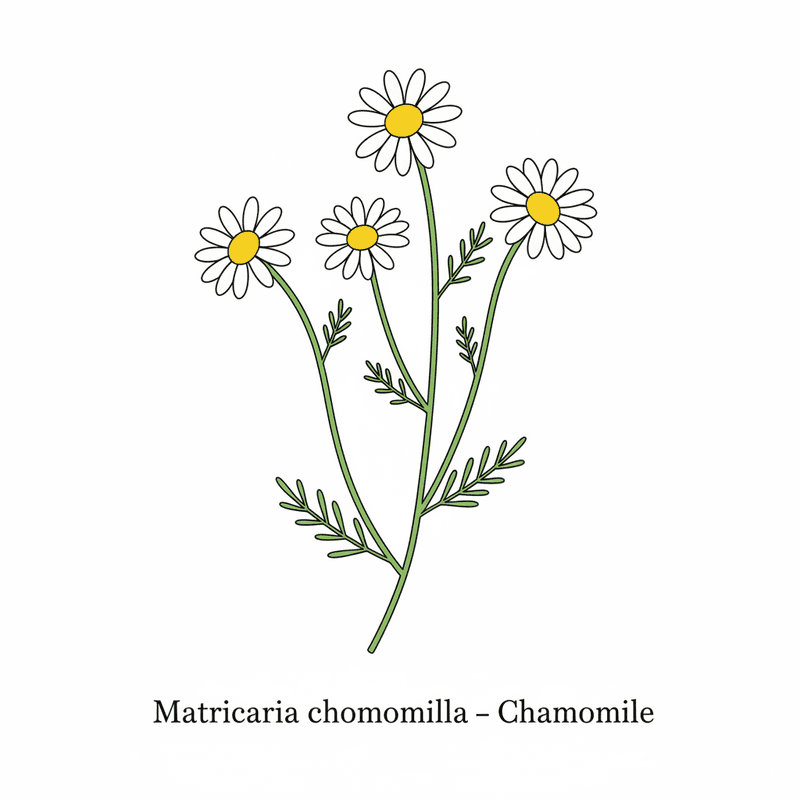
→Direct Sowing is Best: Chamomile prefers to be direct-sown rather than transplanted. Its tiny seeds often benefit from sunlight to germinate.
→Timing: Sow seeds in early spring after the danger of the last hard frost has passed, as soon as the soil can be worked. In mild climates, you can also sow in late summer/early fall for winter rosettes and early spring blooms.
→Sowing Depth: Scatter the tiny seeds lightly on the surface of finely raked, moist soil. Gently press them down, but do not cover them, as they need light to germinate.
→Spacing: Sow thinly, then thin seedlings to 6-12 inches apart once they are a few inches tall.
→Germination Time: Seeds typically germinate in 7-14 days at a temperature range of 60-70°F (15-21°C). Keep the soil consistently moist during this period, perhaps by misting gently.
→Self-Seeding: Chamomile readily self-seeds, ensuring a continuous supply of plants in subsequent seasons if you allow some flowers to go to seed.
2.Growing & Care
Light & Growing
→Sunlight: Chamomile thrives in full sun (at least 6 hours of direct sunlight per day) but can tolerate light partial shade, especially in hotter climates. Full sun generally leads to more abundant flowering.
→Maintenance: Generally low maintenance. Deadhead spent flowers regularly to encourage continuous blooming and prevent excessive self-seeding if desired. Ensure good air circulation, especially in humid conditions.
3.Harvest
Harvesting Chamomile
→Flowers (Primary Harvest): The flower heads are the most commonly used part of the plant for teas and medicinal preparations.
→Timing: Harvest flowers when they are fully open, showing distinct white petals and a prominent yellow center. Pick them in the mid-morning after the dew has dried, when their essential oil content is highest.
→How to Harvest: Gently pinch or snip off the flower heads from the stems. Regular harvesting (every few days) encourages the plant to produce more blooms.
→Drying: o Spread the harvested flower heads in a single layer on screens, clean paper, or a clean cloth in a warm, dry, well-ventilated area, out of direct sunlight. o Turn them occasionally to ensure even drying. o Once completely dry (they should feel crisp and crumble easily), store the dried flowers in airtight glass jars away from light and heat. Properly dried chamomile retains its aroma and potency for a long time.
4.In the Kitchen
Why Grow Chamomile?
→Ultimate Calming Herb: Chamomile is renowned worldwide as a gentle yet effective nervine. Its most famous use is in tea to promote relaxation, reduce stress and anxiety, and aid restful sleep. It's often considered safe enough for children.
→Digestive Soother: It's an excellent digestive aid, helping to relieve indigestion, gas, bloating, and stomach cramps due to its anti-spasmodic and anti-inflammatory properties.
→Anti-inflammatory & Antiseptic: Applied topically (as a compress or rinse), chamomile can help soothe skin irritations, minor burns, rashes, and even calm conjunctivitis.
→Pollinator Magnet: The abundant, small daisy-like flowers are highly attractive to bees, hoverflies, and other beneficial insects, making it a wonderful addition to a pollinator-friendly garden.
→Easy to Grow & Prolific: Chamomile is very forgiving and easy to cultivate from seed, blooming quickly and continuously for months, even with minimal care. Chamomile is an indispensable herb for anyone seeking natural remedies for relaxation and digestion, and a charming addition to any garden that supports pollinators.