Why this matters
When something looks “wrong,” it’s easy to panic and overcorrect. Most garden problems start with water, sun, and soil — not bugs or disease.
What to do
Check in this order (don’t skip steps) 1) Soil moisture
Feel the soil near the plant.
Too wet or too dry causes most beginner issues.
2) Sunlight
Is the plant getting plenty of direct sun?
Has shade shifted since you planted?
3) Drainage / airflow / crowding
Is water draining well (especially in containers)?
Are seedlings crowded with poor airflow?
Do leaves stay wet for long?
4) Pests
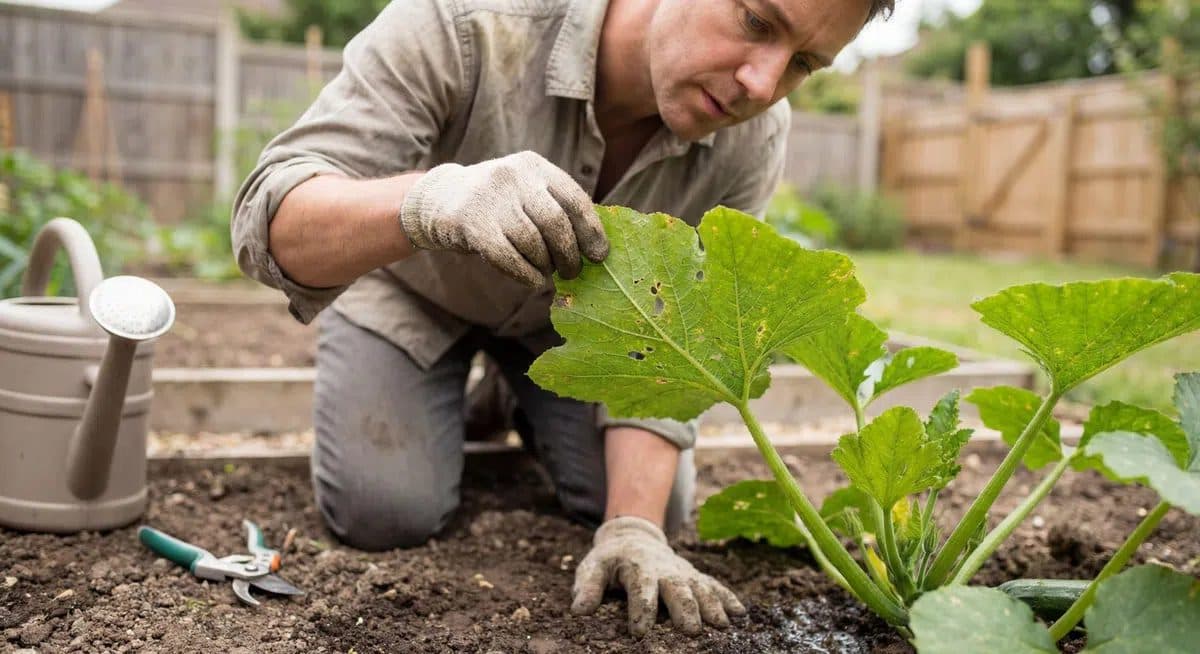
Look closely, especially under leaves and along stems.
Check at different times of day if you don’t see anything at first.
5) Disease (only after basics are checked)
Many “disease-looking” issues improve when watering and airflow improve.
If multiple plants look bad at once, it’s usually the environment — not the seeds.
Common symptoms → likely causes (fast clues) Yellow leaves
Often: overwatering, soggy soil, low light, or stress
Sometimes: plants asking for better nutrition later (check basics first)
Drooping
If soil is dry: underwatering or heat stress
If soil is wet: overwatering or poor drainage
Holes / chewed leaves
Often: insects feeding at night or hiding under leaves
Check leaf undersides and around the soil line
White/gray dusty coating
Often: low airflow + leaves staying damp
Improve spacing/airflow and avoid wetting leaves (skip overhead watering)
Seedlings collapsing
Often: soil too wet + low airflow
Let soil dry slightly, improve airflow, avoid wet leaves
Beginner-safe responses (simple, gentle) Adjust watering
Water based on soil feel, not a schedule.
Aim for damp soil, not muddy.
Improve airflow / reduce crowding
Thin crowded seedlings.
Give plants room so air can move between leaves.
Rinse pests off
A gentle spray of water can knock off many small pests.
Re-check later and repeat if needed.
Hand-pick when possible
Remove visible bugs by hand and discard.
Remove heavily damaged leaves
If a leaf is mostly destroyed, remove it so the plant can focus on new growth.
Protect young plants
Light cover or netting can protect seedlings while they’re small.
Secure edges so pests don’t crawl underneath.
Make sure plants still get light and airflow.
When to take action vs when to wait Wait when:
The plant looks a little off, but new growth still looks healthy.
You recently changed something (moved a pot, transplanted, heavy rain).
Take action when:
Damage is spreading quickly.
You see active pests.
Soil is staying soggy or plants repeatedly wilt.
Make one change at a time so you know what helped.
Use photos + notes
Take a quick photo when you notice a problem.
Write one line: “yellow leaves + soil wet,” or “holes + pests under leaves.”
Common Mistakes
- Spraying or treating “just in case” without checking soil and sun first.
- Overwatering after seeing droop (droop can happen in wet soil too).
- Ignoring crowding and skipping thinning.
- Changing multiple things at once and not knowing what worked.
Quick Tips
- Check the underside of leaves — many pests hide there.
- Many issues improve by fixing watering and airflow first.
- Morning watering helps leaves stay drier (if possible).
- If you’re unsure, step back: soil feel + sun check usually reveals the issue.
Mini Checklist
- I checked soil moisture before doing anything else
- I confirmed the plant is getting enough direct sun
- I checked drainage, airflow, and crowding (and thinned if needed)
- I inspected under leaves and along stems for pests
- I made one simple change and watched the result
- I took a photo and wrote a one-line note for tracking