Why This Is Easy
Disease-resistant workhorse: This variety resists several common cucumber diseases, including powdery mildew, mosaic virus, and scab, making it dependable for beginners and consistent through the season.
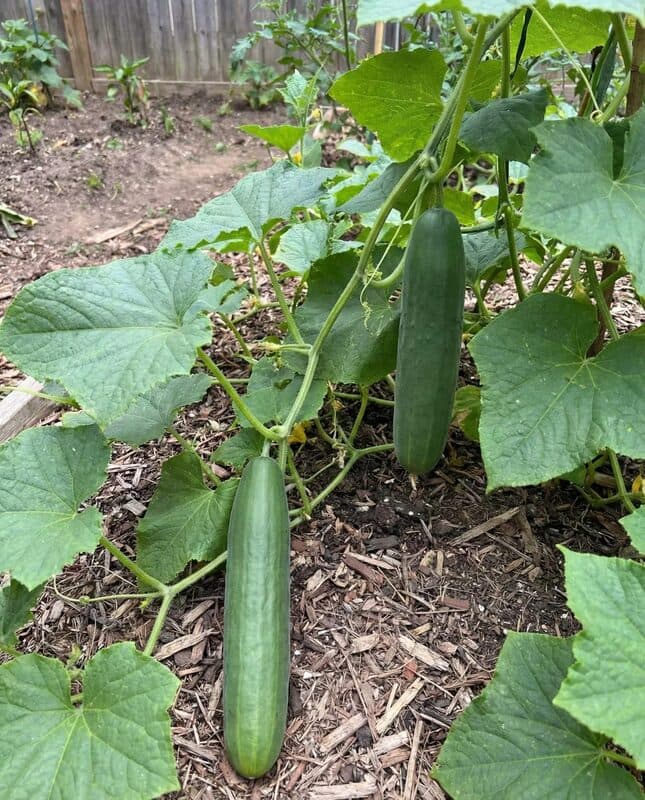
Classic slicer: Marketmore 76 produces straight, dark green cucumbers about 8–9 inches long, well suited for salads, sandwiches, and fresh eating.
Planting Specs (Depth + Spacing)
- Depth: 1/2 inch
- Spacing: Thin seedlings to 12–18 inches apart. Space rows 5–6 feet apart to allow vines to spread.
Timeline (What to Expect)
- Sprout window: 3–10 days (faster in warm soil)
- When to thin: When seedlings have 2–3 true leaves
- First harvest: 58–68 days
- Harvest window: Several weeks of continuous picking with regular harvest
- Frost note: Cucumbers are frost-tender. Plant only after all danger of frost has passed.
When to Plant
Cucumbers are a warm-weather crop that require warm soil and air.
Spring: Plant after your last frost date once soil has warmed to at least 70°F. Cold soil leads to poor germination and slow growth.
Summer: The main growing season. Cucumbers perform best between 70–85°F.
Fall: Not recommended, as cucumbers need consistent warmth throughout their life cycle.
Cold warning: Cucumbers cannot tolerate frost. Soil below 50°F slows growth and damages roots, so avoid planting too early.
How to Plant
Direct sowing is recommended, as cucumbers have sensitive roots and transplant poorly.
Prepare: Choose a sunny location with well-draining soil and work in generous compost. Cucumbers are heavy feeders.
Sow: Plant seeds 1/2 inch deep, spacing them about 6 inches apart at first.
Cover: Fill soil over seeds and press gently for good contact.
Water: Water thoroughly after planting and keep soil moist, but not soggy, until sprouts appear.
Thin: Once seedlings have 2–3 true leaves, thin to 12–18 inches apart.
If starting indoors: Start seeds 3–4 weeks before transplanting in biodegradable pots that can be planted directly into the ground. Transplant when seedlings have 1–2 true leaves and handle roots very gently.
Care Made Simple
Watering Logic
Check-First Watering: Cucumbers need steady, generous moisture, especially during flowering and fruiting.
If the top 1–2 inches of soil feels dry → Water deeply (about 1–2 inches per week).
If damp → Wait.
Tip: Water at the base of plants, not overhead. Wet foliage increases disease risk. Uneven watering can lead to misshapen or bitter fruit.
Sun & Shade
Sun & Heat:
Full sun is ideal, with at least 6–8 hours daily.
In very hot areas (above 90°F), light afternoon shade can help reduce stress.
Feeding (if applicable)
Feeding: Cucumbers are heavy feeders. Side-dress with compost or a balanced fertilizer when vines begin to run and again when flowers appear. Avoid wetting foliage when feeding.
Trellising (optional but helpful): Training vines upward saves space, improves airflow, keeps fruit clean and straight, and makes harvesting easier. If grown on the ground, mulch beneath vines.
Harvest (Keep It Producing)
Check Often: Once production starts, check plants every 1–2 days. Cucumbers grow quickly.
Size guide: Harvest Marketmore 76 at 6–9 inches for best texture and flavor. Smaller fruit are usually more tender.
Don’t Wait Too Long: Overripe cucumbers turn yellow, become seedy and bitter, and signal the plant to slow production.
Cut, Don’t Pull: Use scissors or a knife to cut fruit from the vine to avoid damaging plants.
Keep Picking: Regular harvesting encourages continued production.
Common Problems + Quick Fixes
Seeds didn’t sprout:
Cause: Soil was too cold or too wet.
Action: Wait until soil reaches at least 70°F and avoid overwatering before emergence.
Flowers but no fruit (poor pollination):
Cause: Male flowers appear first, which is normal. Female flowers require pollination to set fruit.
Action: Be patient for female flowers to appear. If needed, hand-pollinate by transferring pollen from male to female flowers. Avoid pesticides that harm bees.
Bitter cucumbers:
Cause: Stress from heat, drought, or uneven watering.
Action: Water consistently, mulch to keep soil cool, and harvest promptly. Bitterness concentrates near the stem end and under the skin.
Cucumber beetles:
Cause: Common pests that damage leaves and spread bacterial wilt.
Action: Use row covers early, hand-pick beetles, and keep the garden clean of debris. Marketmore 76 tolerates some beetle damage better than many varieties.
Wilting vines (bacterial wilt):
Cause: Disease spread by cucumber beetles.
Action: Remove and destroy infected plants promptly and focus on beetle control.
White powder on leaves (powdery mildew):
Cause: Fungal disease common in humid conditions.
Action: Although Marketmore 76 has good resistance, space plants properly, water at the base, remove affected leaves, and use trellising to improve airflow.
Quick Tips
- Disease resistance makes this variety forgiving for beginners.
- Plant only in warm soil (at least 70°F).
- Harvest every 1–2 days once fruiting begins.
- Use a trellis when possible to improve plant health and ease harvesting.
Mini Checklist
- Planted after last frost with soil at 70°F
- Seeds planted 1/2 inch deep
- Seedlings thinned to 12–18 inches apart
- Soil kept consistently moist and watered at the base
- Compost applied when vines began running
- Plants checked every 1–2 days during harvest
- Cucumbers harvested at 6–9 inches before yellowing
- Plants monitored regularly for cucumber beetles
[#toc](Back to TOC)Plant Profile