Why This Is Easy
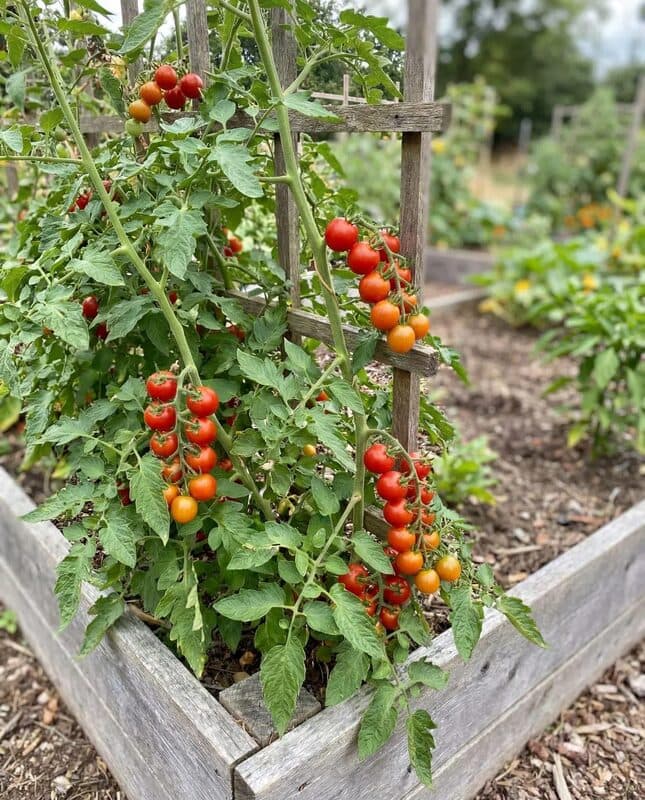
Prolific producer: This variety pumps out clusters of sweet, bite-sized tomatoes all summer long. One or two plants can supply a steady harvest.
Adaptable grower: Large Red Cherry tomatoes perform well in garden beds, raised beds, or large patio containers.
Planting Specs (Depth + Spacing)
- Depth: 1/4 inch (for starting seed indoors)
- Spacing: 18–24 inches apart
- Container growing: Use at least a 5-gallon pot per plant
Timeline (What to Expect)
- Sprout window: 7–14 days
- When to thin/transplant: When seedlings are 3–4 inches tall and have their first true (jagged) leaves
- First harvest: About 70–80 days after transplanting
- Ongoing harvest: Once production begins, plants continue producing until the first fall frost
When to Plant
Tomatoes are warm-weather crops with no frost tolerance.
Spring: Transplant outdoors only after all danger of frost has passed and nighttime temperatures stay consistently above 50°F.
Summer: Peak growing and ripening season—tomatoes love heat.
Cold warning: A single frost will kill tomato plants. If frost threatens in fall, harvest all remaining fruit (even green tomatoes).
How to Plant
Starting indoors is strongly recommended.
Start indoors: Sow seeds 6–8 weeks before your last frost date. Provide bright light from a sunny window or grow lights.
Transplant deeply: When planting outdoors, bury the stem deeper than it was in the pot—up to the first set of leaves. Roots will form along the buried stem, creating a stronger plant.
Watering: Water well right after transplanting to settle the soil around the roots.
Support: Large Red Cherry tomatoes are indeterminate (vining). Install a tomato cage or sturdy stake at planting time to avoid disturbing roots later.
Care Made Simple
Watering Logic Check-first watering:
If soil feels dry 1 inch down → water deeply at the base
If damp → wait
Tip: Keep water off the leaves whenever possible. Watering at the soil level helps prevent diseases like blight.
Sun & Shade
Full sun: At least 6–8 hours of direct sunlight daily
Airflow: Space plants properly so air can move freely and reduce disease pressure
Feeding (if applicable)
Compost mixed into the soil at planting is usually enough.
Avoid high-nitrogen fertilizers later in the season—they promote leafy growth at the expense of fruit.
Harvest (Keep It Producing)
When to pick: Harvest when tomatoes are fully red and detach easily from the vine with a gentle twist.
Pick often: Regular harvesting encourages more fruit production and reduces pest problems.
End of season: If frost is coming, pick all fruit. Green tomatoes will ripen indoors on a sunny windowsill or inside a paper bag.
Common Problems + Quick Fixes
Cracked fruit:
Cause: Sudden heavy watering after a dry period
Fix: Keep soil moisture steady using check-first watering
Yellowing lower leaves:
Cause: Often natural aging or a common soil fungus
Action: Remove yellow leaves to improve airflow. If yellowing spreads quickly, check drainage.
Large green caterpillars (hornworms):
Action: Look for missing leaves and dark droppings. Hand-pick caterpillars and remove them from the garden.
Quick Tips
- Don’t refrigerate: Homegrown tomatoes lose flavor in the fridge. Store at room temperature.
- Mulch helps: Straw or dried leaves around the base keep moisture steady and reduce soil splash onto leaves.
- Support early: Vines can reach 5–6 feet tall. Install cages or stakes while plants are small.
Mini Checklist
- Transplanted after last frost and warm nights
- Stem planted deep for stronger roots
- Cage or stake installed at planting
- Used check-first watering at the base
- Harvested ripe fruit every few days
- Removed excess suckers to keep plants manageable
[#toc](Back to TOC)Plant Profile